A Homeowner’s guide to balancing heating, cooling, air flow, and moisture for a Breathable Home.
THE STACK EFFECT
The Three Pillars of a Healthy Home: Heating/Cooling, Air, and Moisture
Welcome! This blog is a resource for homeowners (new or seasoned) because most of us were never taught how our homes actually work. We’re starting with the big picture: a home is a balance of three things: heating/cooling, air, and moisture. When they’re in balance, your home is comfortable, efficient, and durable. When they’re not, you get drafts, high energy bills, musty smells, and eventually, expensive repairs.
The Three Pillars
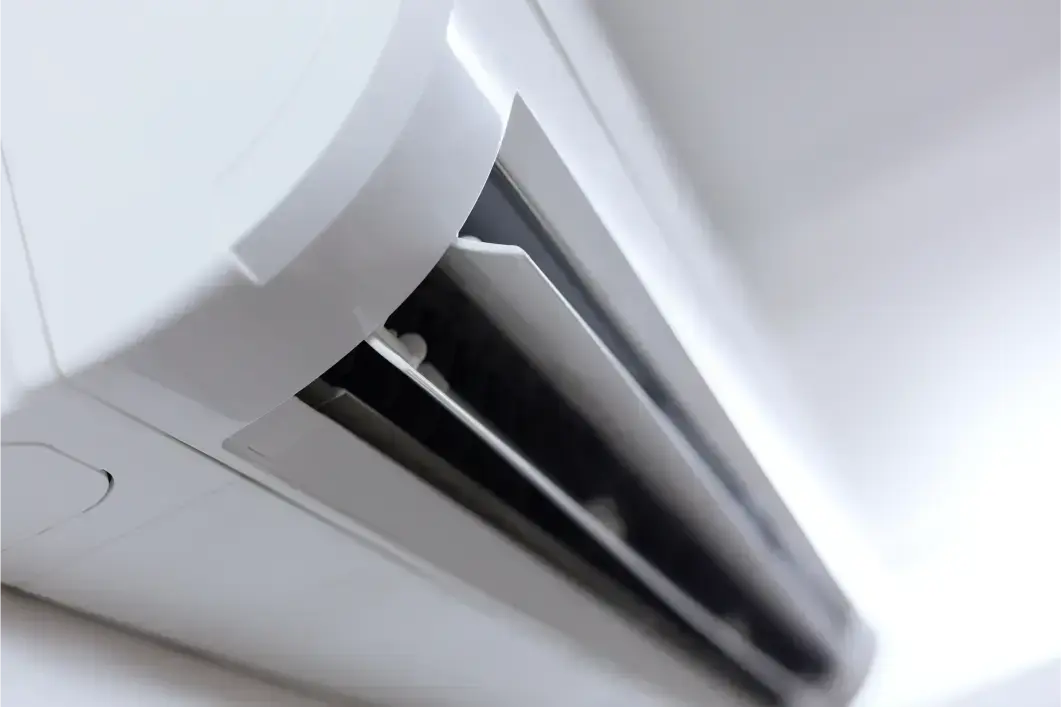
Heating/Cooling should keep temperature and humidity steady throughout the whole house, not just wherever the thermostat sits. A system fighting a leaky house will run longer, cost more, and still leave rooms too hot or too cold.
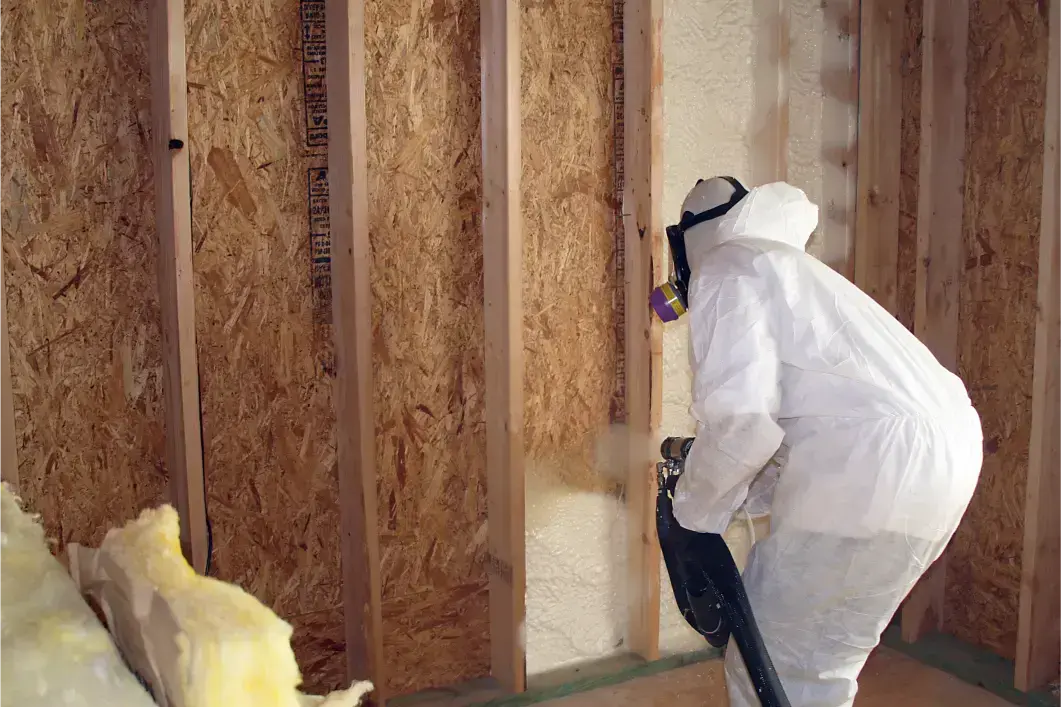
Air is constantly exchanging with the outside through small gaps: around windows, wiring,
attic hatches, and more. Some exchange is healthy; too much wastes energy, too little traps pollutants and moisture indoors.
Moisture is produced constantly: showers, cooking, laundry, even your foundation. It becomes a problem when it has nowhere to go or hits a cold surface and condenses, leading to foggy windows, damp basements, and eventually mold or rot.
The Force Connecting Them: The Stack Effect
Picture your home as a chimney. Warm air rises and escapes through gaps up high, creating negative pressure that pulls replacement air in through gaps down low often carrying cold air, dust, humidity, or soil gasses with it. This happens in every home, every day. In winter it pulls cold air in low and pushes warm air out high; in summer (especially with AC running) it can reverse. The stack effect is invisible, but it’s constantly redistributing your conditioned air, your energy dollars, and moisture throughout your home.
Why the Balance Matters
Comfort: The stack effect explains why some rooms never feel right: a cold upstairs bedroom, a stuffy attic room, drafts near the floor. Cranking the HVAC compensates without fixing the real problem.
Air Quality: Air pulled in by the stack effect isn’t filtered. From a crawlspace or attic, it can bring in dust, mold spores, or combustion byproducts often affecting indoor air more than any air purifier can offset.
Resale Value: Musty smells, visible moisture damage, or uneven temperatures are red flags for buyers and inspectors. A well-balanced home simply shows and inspects better.
Care of Your Home: Moisture pulled into walls or attics condenses quietly for years before it’s visible, causing rot and corrosion, while HVAC systems working overtime wear out faster.
What’s Next?
Future posts will go deeper into each pillar: warning signs of imbalance, what worsens the stack effect, and practical steps you can take before calling a professional. For now, remember: your home isn’t three separate systems. heating/cooling, air, and moisture constantly interact and understanding that is the first step to a healthier, more valuable home.