Understanding Heat Pump Systems in Hallowell’s Climate
When your heat pump stops working efficiently during a cold Maine winter, you need reliable repair services that understand both the technology and the unique demands of our regional climate. Heat pumps have become increasingly popular in Hallowell and throughout Kennebec County as homeowners seek healthy energy efficiency for their homes. These systems provide both heating and cooling by transferring heat rather than generating it through combustion, making them two to three times more efficient than traditional heating methods. In our experience serving communities from Augusta to Sidney, we’ve seen how properly maintained heat pumps can reduce heating costs by up to 50% compared to electric resistance heating systems.
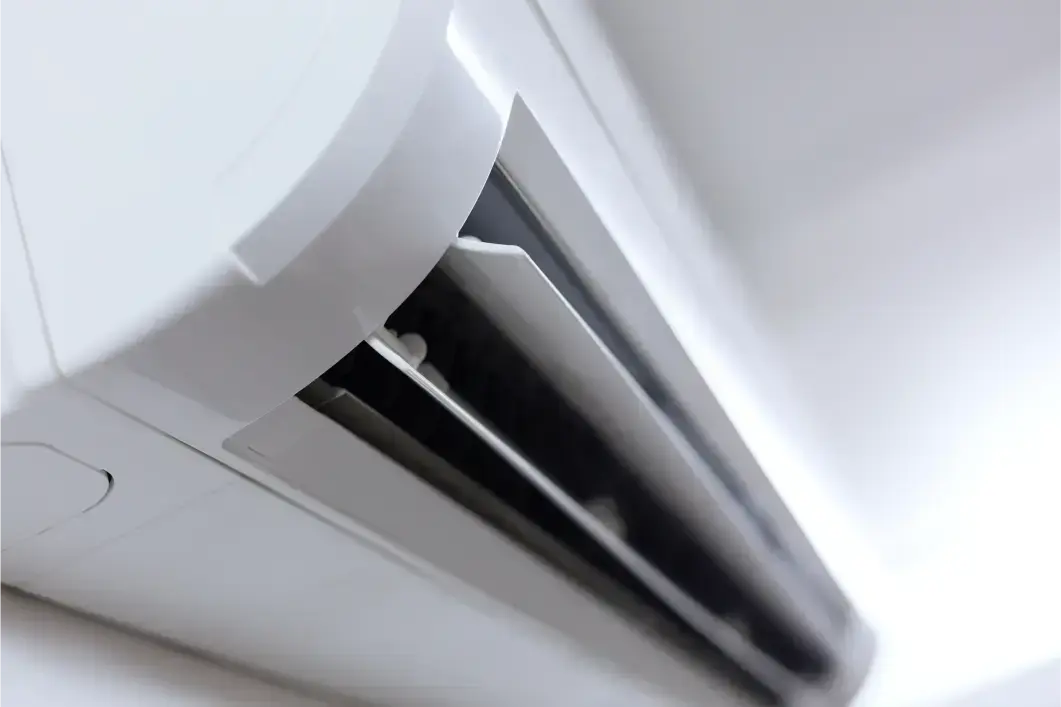
The technology behind heat pumps involves refrigerant cycling through indoor and outdoor units, extracting heat from outside air even in temperatures as low as minus 15 degrees Fahrenheit. Modern cold-climate heat pumps, which we specialize in repairing at The Breathable Home, utilize variable-speed compressors and enhanced vapor injection technology to maintain efficiency even during Hallowell’s coldest January nights. Understanding these systems requires expertise in both traditional HVAC principles and the specific engineering adaptations that make heat pumps viable in northern climates.
Common Heat Pump Issues in Central Maine Homes
Through years of servicing heat pumps across Hallowell, Gardiner, and Manchester, we’ve identified several recurring problems that affect system performance. Ice buildup on outdoor units represents one of the most frequent winter issues, often caused by blocked drainage systems or faulty defrost cycles. When the defrost board fails, ice accumulates on the coils, restricting airflow and dramatically reducing heating capacity. Our repair process involves not just addressing the immediate problem but also investigating underlying causes such as refrigerant levels, sensor calibration, and control board functionality.
Refrigerant leaks present another significant challenge, particularly in systems that have endured multiple freeze-thaw cycles typical of Maine winters. Even small leaks can reduce system efficiency by 20% or more, forcing the compressor to work harder and increasing energy consumption. We use electronic leak detection equipment and ultraviolet dye testing to pinpoint leak locations, whether in the evaporator coil, condenser, or connecting lines. After repairing leaks, we ensure proper refrigerant charging according to manufacturer specifications, considering factors like outdoor temperature and system subcooling levels that directly impact performance.
Diagnostic Procedures and Repair Methodologies
Our comprehensive diagnostic approach begins with system performance testing, measuring temperature differentials across coils, checking electrical components, and analyzing refrigerant pressures. We utilize digital manifold gauges and thermal imaging cameras to identify issues invisible to standard visual inspection. Electrical diagnostics include testing capacitors, contactors, and circuit boards, as electrical problems account for approximately 35% of heat pump failures in our service area. Capacitor degradation, often accelerated by voltage fluctuations common in rural Maine power grids, can cause compressor startup failures or inefficient operation.
When addressing compressor issues, we evaluate whether repair or replacement offers better long-term value. Compressor problems might manifest as unusual noises, inadequate heating, or complete system failure. Our repair decisions consider factors including system age, refrigerant type, and overall condition of other components. For systems using R-410A refrigerant, we maintain proper recovery and handling procedures compliant with EPA regulations, ensuring environmental responsibility while restoring your system’s efficiency.
Integration with Home Energy Efficiency
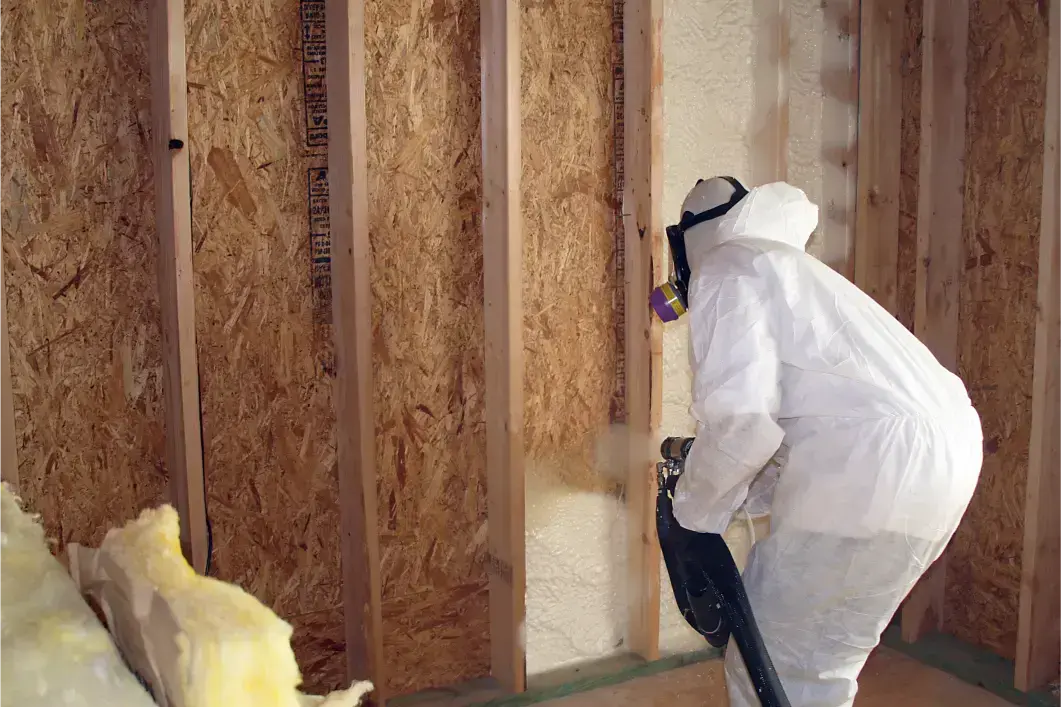
Heat pump performance directly correlates with overall home efficiency, particularly insulation and air sealing quality. At The Breathable Home, we recognize that even the most advanced heat pump cannot overcome poor building envelope performance. Inadequate insulation in Farmingdale’s older homes, for instance, forces heat pumps to cycle more frequently, increasing wear and reducing equipment lifespan. Our holistic approach examines how your heat pump interacts with your home’s thermal boundary, identifying opportunities to enhance both equipment performance and building efficiency.
- Ductless mini-split systems: These require proper sizing calculations based on room heat loss, considering factors like window area, insulation levels, and occupancy patterns
- Ducted systems: These need duct sealing and insulation evaluation to prevent conditioned air loss, which can waste 20-30% of heating energy
- Hybrid configurations: These combine heat pumps with backup heating sources, requiring careful control integration for optimal efficiency
Preventive Maintenance and Long-term Performance
Regular maintenance significantly extends heat pump lifespan while maintaining peak efficiency throughout our heating season. Filter cleaning or replacement every one to three months prevents airflow restrictions that strain system components. Outdoor unit maintenance includes removing debris, checking refrigerant line insulation, and ensuring adequate clearance for proper airflow. We recommend professional maintenance twice yearly, addressing different seasonal requirements for heating and cooling modes.
During maintenance visits, we perform comprehensive system evaluations including refrigerant charge verification, electrical connection tightening, and control sequence testing. Thermostatic expansion valve adjustment ensures proper refrigerant flow rates across varying load conditions. We also update system controls when manufacturers release firmware improvements addressing performance or reliability issues discovered after initial product release. This proactive approach helps prevent emergency repairs during peak heating season when system failure causes maximum inconvenience.
Advanced Troubleshooting for Modern Systems
Contemporary heat pumps incorporate sophisticated control systems requiring specialized diagnostic capabilities. Variable-speed compressors, electronic expansion valves, and communicating controls create complex interactions that traditional troubleshooting methods cannot adequately address. We utilize manufacturer-specific diagnostic software to access system operation data, error codes, and performance histories that guide our repair strategies. These tools reveal intermittent problems that might otherwise escape detection during standard service calls.
Understanding inverter technology proves essential for repairing modern variable-capacity systems increasingly popular in Hallowell homes. These systems modulate compressor speed to match heating loads precisely, improving comfort and efficiency. However, inverter board failures require specialized testing procedures and often involve updating control parameters after replacement. Our technicians maintain current training on emerging technologies, ensuring we can service the latest equipment models effectively while applying our core principle of creating healthy, efficient living spaces that truly breathe properly.