Heat Pump Solutions for Hallowell Maine Homes
When temperatures drop below freezing in Hallowell, ME, homeowners need reliable heating systems that deliver both comfort and efficiency. Heat pumps have revolutionized how we approach home heating and cooling, offering year-round climate control while significantly reducing energy costs. At The Breathable Home, we specialize in heat pump installation, maintenance, repair, and replacement services that align with our philosophy of creating healthy energy efficiency for your home. Our approach ensures your heating system works in harmony with proper ventilation and air quality management.
Heat pumps operate on a simple yet ingenious principle: they transfer heat rather than generate it through combustion. During winter months, these systems extract heat from outdoor air—even when temperatures hover around zero degrees—and move it inside your home. In summer, the process reverses, pulling warm air from inside and releasing it outdoors. This heat transfer method uses approximately 50-60% less energy than traditional electric resistance heating and can reduce heating costs by up to 30-40% compared to oil or propane systems.
Ducted and Ductless Heat Pump Options
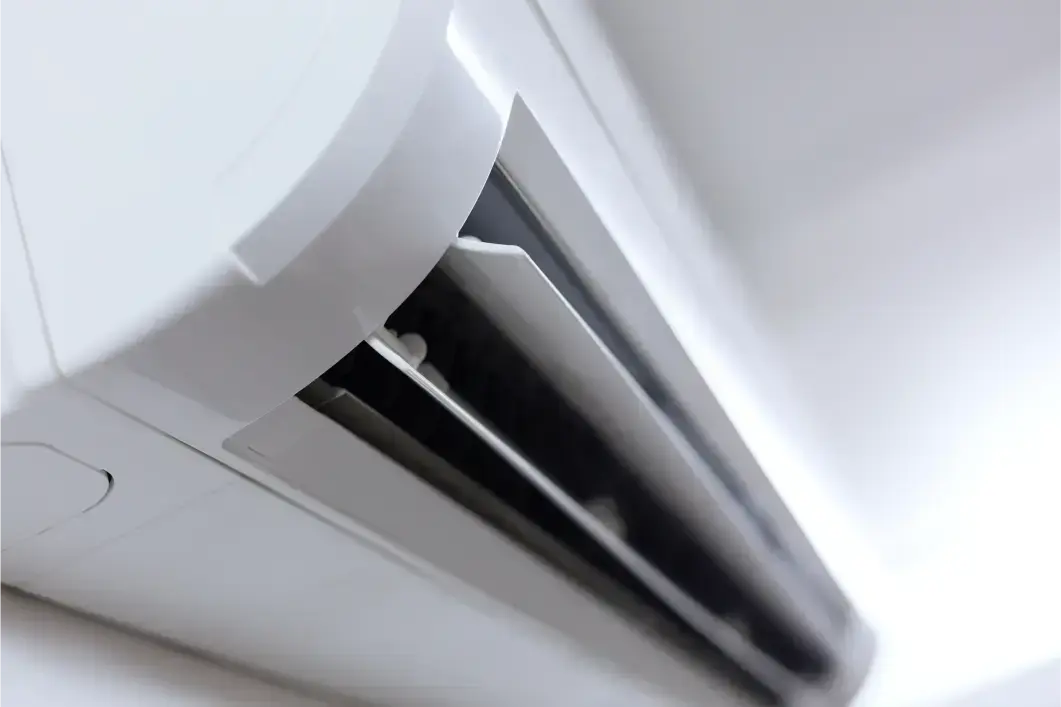
Selecting between ducted mini splits and ductless heat pumps depends on your home’s existing infrastructure and specific heating needs. Ductless heat pumps, often called mini-split systems, consist of an outdoor compressor unit connected to one or more indoor air handlers through small conduit lines. These systems excel in homes without existing ductwork, room additions, or spaces where individual temperature control is desired. Each indoor unit can be controlled independently, allowing different family members to set their preferred temperatures in different zones.
Ducted mini splits integrate with existing or new ductwork systems, distributing conditioned air throughout your home via traditional vents. These systems work exceptionally well in homes already equipped with central ductwork or in new construction where a centralized system makes sense. The latest ducted systems feature variable-speed compressors that adjust output based on heating demands, maintaining consistent temperatures while minimizing energy consumption. Modern ducted systems also incorporate advanced filtration options that remove allergens, dust, and other particles, contributing to the breathable home environment we prioritize.
Technical Specifications and Performance Metrics
Understanding heat pump efficiency ratings helps homeowners make informed decisions about their heating investments. The Heating Seasonal Performance Factor (HSPF) measures heating efficiency, with ratings typically ranging from 8.5 to 13 for modern systems. The Seasonal Energy Efficiency Ratio (SEER) measures cooling efficiency, with current models achieving ratings between 16 and 23. In Hallowell’s climate zone, we recommend systems with HSPF ratings above 10 and cold-climate heat pumps specifically designed to maintain efficiency at temperatures as low as -15°F.
Capacity sizing proves critical for optimal performance and efficiency. An undersized system will run continuously without adequately heating your home, while an oversized unit will cycle on and off frequently, creating temperature swings and increased wear on components. We calculate heating loads based on your home’s square footage, insulation levels, window quality, and air infiltration rates. Most Hallowell homes require between 24,000 and 48,000 BTU systems, though larger homes may need multiple units or higher capacity systems.
Installation Process and Best Practices
Professional heat pump installation involves multiple steps to ensure optimal performance and longevity. We begin with a comprehensive home assessment, evaluating existing insulation, air sealing, and ventilation systems. This aligns with our commitment to creating breathable homes that balance efficiency with healthy indoor air quality. The outdoor unit placement requires careful consideration of snow accumulation patterns, prevailing winds, and proximity to living spaces to minimize operational noise.
Indoor unit placement for ductless systems demands strategic positioning to maximize air circulation while maintaining aesthetic appeal. We typically mount units high on walls or install ceiling cassettes to ensure even heat distribution without creating drafts. Refrigerant line sets must be properly sized and insulated to prevent energy loss and condensation issues. Electrical connections require dedicated circuits with appropriate amperage ratings, and we always include surge protection to safeguard your investment against power fluctuations common during Maine storms.
Maintenance Requirements and Service Intervals
Regular heat pump maintenance extends equipment life and maintains peak efficiency throughout the heating season. We recommend professional service twice annually—before the cooling season and again before winter heating demands increase. During these visits, we clean or replace filters, check refrigerant levels, inspect electrical connections, and verify proper thermostat operation. Coil cleaning removes accumulated dust and debris that can reduce heat transfer efficiency by up to 25%.
- Monthly tasks: Check and clean or replace air filters, clear debris from around outdoor unit, verify proper drainage
- Seasonal tasks: Professional inspection of refrigerant levels, electrical components testing, coil cleaning, and system performance verification
- Annual tasks: Comprehensive system evaluation, ductwork inspection for ducted systems, calibration of controls and thermostats
Common Repair Issues and Solutions
Heat pumps in Hallowell face unique challenges from harsh winters and humid summers. Ice buildup on outdoor units during winter represents a common issue, though modern systems include defrost cycles to address this automatically. When defrost cycles fail, refrigerant leaks or faulty defrost controls typically prove responsible. Refrigerant leaks not only reduce heating capacity but also increase operating costs and environmental impact. We use electronic leak detectors and pressure testing to locate and repair leaks before recharging systems with appropriate refrigerant types.
Compressor failures, while less common, represent more significant repair needs. Symptoms include inadequate heating, unusual noises, or complete system shutdown. Compressor issues often stem from electrical problems, refrigerant issues, or normal wear after 10-15 years of operation. When repair costs exceed 50% of replacement value, we typically recommend upgrading to newer, more efficient models that incorporate advanced features like variable-speed technology and improved cold-climate performance.
Energy Efficiency and Cost Considerations
Heat pump operating costs in Hallowell depend on electricity rates, system efficiency, and home insulation quality. Current electricity rates average $0.16 per kilowatt-hour, making heat pumps cost-competitive with oil heating at $3.50 per gallon. The integration of heat pumps with proper insulation and air sealing amplifies savings potential. Many homeowners achieve 40-50% heating cost reductions after combining heat pump installation with comprehensive weatherization improvements.
Available incentives significantly reduce upfront investment costs. Efficiency Maine offers rebates ranging from $800 to $2,000 for qualifying heat pump installations. Federal tax credits cover 30% of installation costs for high-efficiency systems. Some utility companies provide additional rebates or financing options. When calculating return on investment, consider both energy savings and increased home value, as energy-efficient heating systems typically add 3-5% to property values in Maine’s competitive real estate market.